






Cr Uniform SUSTAINABILITY
Cr Uniform Sustainability lies at the heart of CR Uniform’s ethos when crafting new uniforms for our ethically and ecologically minded clients. Every aspect of our uniform creation process is meticulously examined to uphold a top-tier sustainable approach, continuously improved with the latest initiatives, techniques, and materials.
We effortlessly help our clients reach their Sustainability goals
Custom Cr Uniform SUSTAINABILITY creation has always been grounded in sustainability and is considered a trailblazer in the clothing industry for two key reasons.
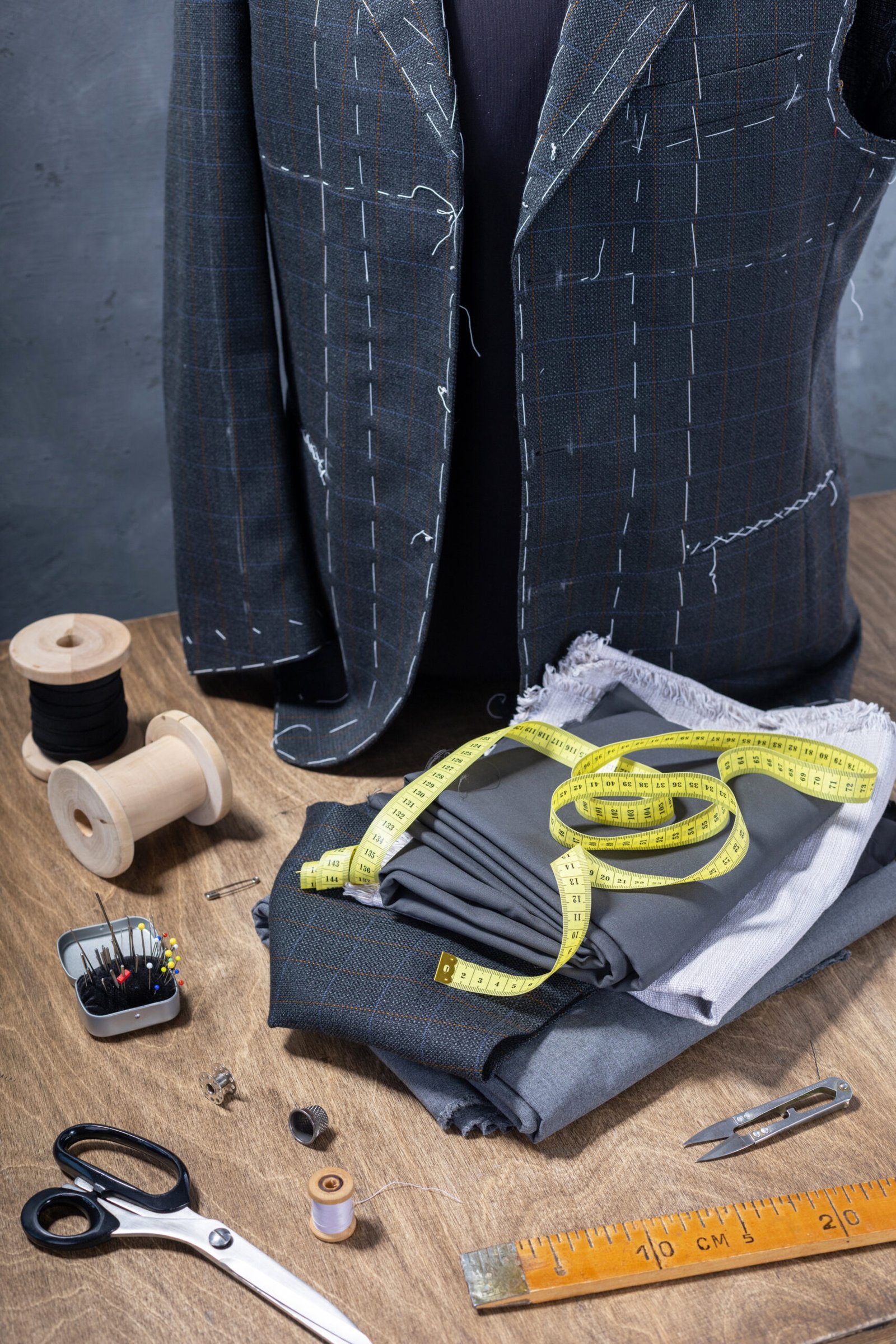
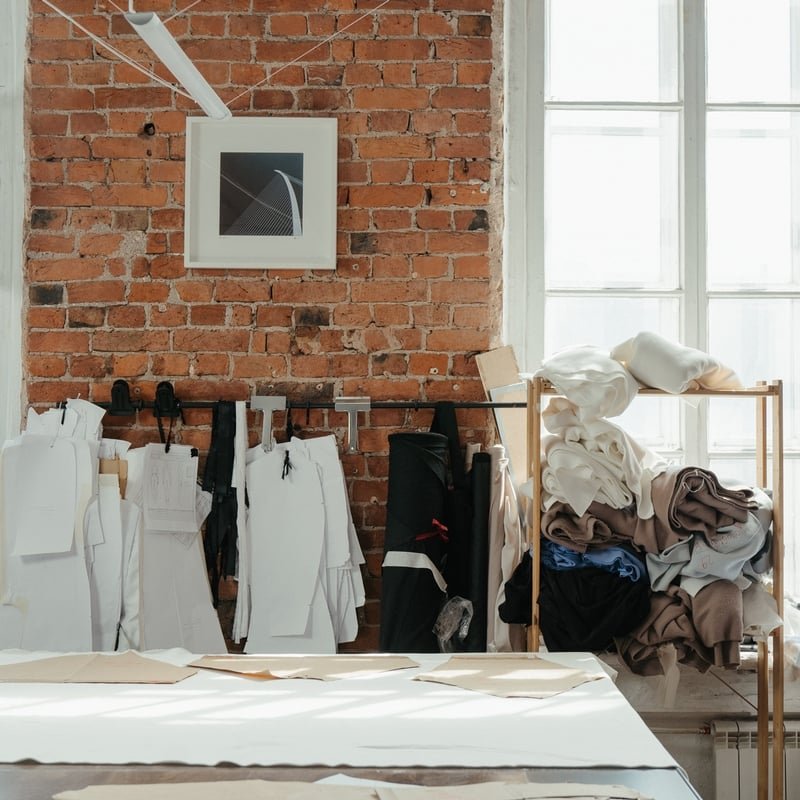
Firstly, crafting our garments on demand ensures zero waste. Our mills exclusively produce enough fabric for each client’s uniform order, eliminating any excess stock.
The second aspect revolves around garment usage. High-quality uniforms are designed to withstand frequent wear, often lasting over 18 months when worn multiple times a week. This starkly contrasts with the disposable nature of fast fashion.
In contrast, fast fashion garments are typically expected to be worn only up to 6 times on average.
Over the years, Cr Uniform SUSTAINABILITY has expanded upon these robust sustainable foundations with numerous intelligent environmentally-focused advancements. This progress has led to our 8-step ‘Future Friendly Uniform’ approach, which encompasses design, manufacturing, materials, delivery, and beyond
Below are the highlights of our proprietary approach and please feel free to contact us for further detail.
DESIGN
Our skilled team consistently provides designs that accommodate a wider range of staff, thus requiring fewer garment sizes and reducing unused stock.
Additionally, we strive to incorporate innovative ideas that facilitate the interchangeability or combination of garments, allowing a smaller range of designs to suit a variety of client roles.
SOURCING
We guarantee that all fabrics are responsibly sourced, whether it’s through closed-loop materials that are recyclable or raw materials from sustainable businesses—such as cotton mills supporting the Better Cotton Initiative.
Our regular participation in key fabric fairs in London and Paris keeps us abreast of the latest innovations. Furthermore, we advocate for alternative raw materials from renewable sources, such as Lyocell, which consumes 80% less water in its manufacturing process and has become more economically viable.
TRANSPORT
We meticulously choose our fabric and clothing factories based on their proximity to each other and the garments’ end destination—the client—significantly reducing our transportation carbon footprint.
For clients in Europe, we concentrate all manufacturing in the region, minimizing travel and enhancing quality. Additionally, we strive to consolidate shipments to minimize air freight usage.
SOURCING
We are committed to responsibly sourcing all our fabrics, whether it’s closed-loop materials that are recyclable or raw materials from sustainable businesses, like cotton mills supporting the Better Cotton Initiative.
Regular participation in key fabric fairs in London and Paris ensures we stay at the forefront of innovation. Additionally, we now advocate for alternative raw materials from renewable sources, such as Lyocell, which uses 80% less water in its manufacturing process and has become more affordable.
TRANSPORT
We carefully choose our fabric and clothing factories based on their proximity to each other and to the garments’ end destination—the client—effectively minimizing our transportation carbon footprint. For clients based in Europe, we concentrate all manufacturing in the region, reducing travel while enhancing quality.
Furthermore, we strive to consolidate shipments, minimizing the need for air freight whenever possible.
SOURCING
We prioritize responsible sourcing of fabrics, whether it’s utilizing closed-loop materials that are recyclable or sourcing raw materials from sustainable businesses to maintain Cr Uniform SUSTAINABILITY, such as cotton mills supporting initiatives like the Better Cotton Initiative.
Regular participation in major fabric fairs in London and Paris ensures we stay ahead of the curve in terms of innovation. Additionally, we actively promote alternative raw materials from renewable sources, like Lyocell, which significantly reduces water usage in its manufacturing process and has become more economically viable.
TRANSPORT
We meticulously choose fabric and clothing factories based on their proximity to each other and the final destination of the garments—our clients—thereby minimizing our transportation carbon footprint. For European clients, we centralize all manufacturing in the region, reducing travel distances while enhancing quality.
Additionally, we prioritize consolidating shipments to minimize reliance on air freight, further lowering our environmental impact.
SOURCING
We’re committed to responsibly sourcing all our fabrics, whether it’s closed-loop materials that are recyclable or raw materials from sustainable businesses, like cotton mills contributing to initiatives such as the Better Cotton Initiative.
Regular participation in major fabric fairs in London and Paris ensures we stay ahead of the curve in terms of innovation. Additionally, we actively promote alternative raw materials from renewable sources, such as Lyocell, which significantly reduces water usage in its manufacturing process and has become more cost-effective.